
 29 Aug 2025
As an Emergency Medicine Specialist working in the hospital ED, I’m used to people consulting me at some of the most vulnerable moments of their lives. Whether it’s a parent worried about a child’s fever, a young man with major trauma after having been in a car crash, or an older patient with chest pain and breathing difficulties, trust is at the heart of every interaction.
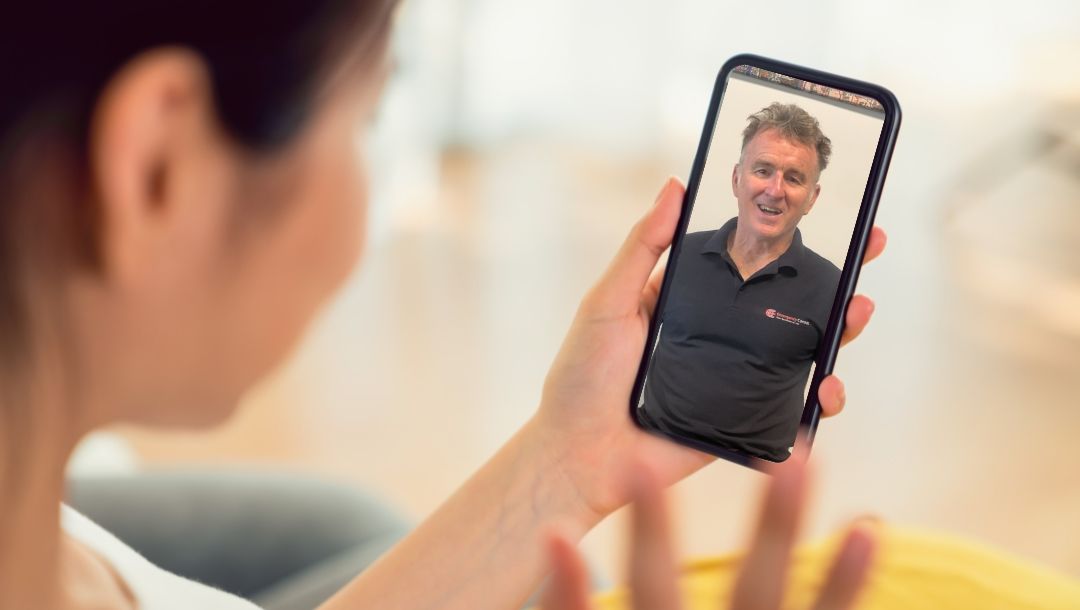
Although the cases may be less life and limb threatening when we shift to working online, that same trust is vital. Within a video consultation, I may need to reassure the worried parent, guide treatment for a farmer with an injury in a rural community, or advise a patient unsure if they should head into the hospital at 2 a.m. Here the patient is not only placing their trust in me as the consulting doctor but the telehealth platform through which we’re interacting.
Patients often ask me: “Is this video consult private?” or “What happens to my information that I share with you?” These are fair questions — and ones we as telehealth providers must answer clearly.
Why privacy matters so deeply in telehealth
Healthcare information is personal in a way that almost nothing else is. When you share details about your body, your mind, or your whānau, you’re placing that information in someone else’s hands. In an online setting, that responsibility extends beyond clinical care — it includes ensuring the technology itself is secure.
In New Zealand, we work under the Health Information Privacy Code and Health Practitioners Competence Assurance Act, which set high standards for protecting patient data. That means your telehealth consultation is held to the same legal and ethical obligations as an in-person visit at your local urgent care clinic or emergency department.
A patient’s story: Trust in people and platform
Late one evening, a young parent in Auckland logged into Emergency Consult after their 3-year-old woke with a barking cough and noisy breathing. The child wasn’t in obvious distress yet, but the sound of their cough was alarming — and every parent knows how quickly kids can deteriorate.
Within minutes, they were connected via video to our triage nurse. The nurse calmly asked the right questions to make sure we had adequate patient information and reassured the parent that help was on hand. She then transferred the call to me, the on-duty emergency specialist.
From my side, I could see and hear the child clearly enough to confirm a diagnosis of croup (an acute viral infection in the child’s airways). I explained what was happening, gave advice on how to keep the child comfortable overnight, and arranged a prescription for steroids at a nearby 24-hour pharmacy. And I outlined clear “red flag” signs that would mean a need to head straight to ED if things worsened.
The parent later told us they felt “supported” the whole way through — first by the triage nurse, then by me. They appreciated that they didn’t have to download an app, book in advance, or access complex online tools, and they trusted that what they shared stayed private between them and the team caring for their child.
For them, the video call wasn’t just convenient. It was the reassurance of a safe, secure pathway to the right urgent care, without leaving their home (other than to pick up the prescription). And their GP was sent patient notes to enable follow up care should it be needed.
Balancing security and usability
One of the biggest challenges in telehealth is finding the sweet spot between ironclad security and practical usability. Too much friction — like complicated logins, confusing apps, or glitchy platforms — risks leaving people behind, especially older patients or those in rural areas with patchy internet.
On the other hand, cutting corners with security simply isn’t an option. Healthcare data is valuable, and breaches can have real consequences for patients and providers alike.
At Emergency Consult, we design our systems with both of these truths in mind:
- Encryption: Every video consultation and message is encrypted end-to-end.
- Access control: Only the clinicians you’re speaking with (triage nurse and emergency consultant) have access to your notes. Your patient notes are usually also shared with your GP.
- Data storage: Health records are stored in line with NZ security standards, never sold or shared.
- Ease of use: We keep the tech as straightforward as possible — if you can click a link, you can see a doctor.
Building trust through transparency
Technology alone doesn’t create trust — communication does. That’s why we’re upfront about how we handle your information. If patients want to know where data is stored, how it’s protected, or who can see it, we answer plainly.
We also encourage patients to set themselves up for success:
- Take calls in a private space where you feel comfortable speaking openly.
- Use a secure internet connection rather than public Wi-Fi.
- Ask your clinician if you’re ever unsure how your information is handled.
- Refer to the privacy notice on our website for more information: emergencyconsult.co.nz/privacy.
Looking ahead
Telehealth is here to stay, but its future depends on maintaining the same trust you’d expect if you walked into a hospital. For me, that means ensuring patients feel safe, heard, and cared for — whether they’re in a triage bay in ED, a consult room in a pharmacy, or on the other side of a video call.
Privacy and usability aren’t opposites. When balanced well, they work together to make healthcare more accessible, secure, and human. And that’s exactly what we are aiming to deliver through Emergency Consult.
- Dr John Bonning, Clinical Director